
You know, it’s extraordinary how much the humble coffee bean has evolved in our collective consciousness. For many years, coffee was merely a dark, hot beverage, a caffeine delivery system, or a social lubricant. But look around you now. The high street, once dominated by generic chains, is increasingly populated by independent coffee shops, each proudly displaying their unique roasts and brewing methods. This seismic shift in how we perceive and consume coffee isn’t just a trend; it’s a profound cultural movement, affectionately termed the “Third Wave of Coffee.” To understand this fully, however, we must first cast our minds back to its predecessors.
To truly appreciate the “Third Wave” of coffee, one must first grasp the historical context laid by its preceding “waves.” These waves represent distinct periods of evolution in the coffee industry, each shaping consumer habits and industry practices in profound ways. Think of them as geological strata, each layer building upon the one before, revealing the deeper history of our relationship with this beloved beverage.
The First Wave: The Dawn of Convenience
The “First Wave” of coffee, spanning roughly from the early 20th century to the 1960s, was primarily characterised by a focus on convenience and accessibility. The driving force behind this era was making coffee a staple in every home, readily available and easy to prepare.
From Luxury to Commodity: Coffee for the Masses
Prior to this period, coffee was often viewed as a luxury item, consumed predominantly by the affluent. The First Wave democratised coffee, transforming it from a niche product into a household commodity. Brands like Maxwell House and Folgers epitomised this era, offering pre-ground, vacuum-packed coffee that prioritised shelf life and ease of use over nuanced flavour profiles. The widespread adoption of perculators and drip coffee machines further cemented coffee’s place in daily routines. Flavour consistency, though often unremarkable by today’s standards, was paramount. Consumers wanted a reliable, strong brew to kickstart their day, and the industry delivered precisely that. The focus was on the ritual, the morning pick-me-up, rather than the intrinsic qualities of the bean itself.
The Second Wave: The Rise of the Café Culture and Flavour Exploration
The “Second Wave,” emerging in the 1960s and gaining significant momentum through the 1980s and 1990s, marked a pivotal shift towards an appreciation for more diverse flavour profiles and a more sophisticated coffee experience. If the First Wave was about getting coffee into every home, the Second Wave was about taking it out again, into dedicated spaces.
Starbucks and the Espresso Revolution
Undoubtedly, Starbucks stands as the monolithic symbol of the Second Wave. While not the sole instigator, its rapid expansion and innovative approach to coffee consumption redefined the industry. The introduction of espresso-based drinks – lattes, cappuccinos, macchiatos – expanded the coffee repertoire beyond simple black coffee. These drinks, often sweetened and flavoured, offered a more indulgent experience. The “Third Place” concept, wherein coffee shops became spaces between home and work, fostered a new social environment centered around coffee. Consumers began to develop a basic vocabulary to describe coffee – terms like “medium roast” and “dark roast” entered common parlance. There was a nascent awareness of varietals and regional differences, though often presented in broad strokes. The focus was on the “experience” as much as the drink itself, with plush seating, background music, and a sense of community becoming integral to the coffee shop model. This wave educated consumers that there was more to coffee than just “coffee,” laying fertile ground for the even greater distinctions to come.
In exploring the intricacies of the third wave coffee movement, it is essential to consider the broader context of specialty coffee and its evolution. A related article that delves deeper into the nuances of this trend is available at Coffee Articles, where the focus is on the artisanal methods and ethical sourcing practices that define the contemporary coffee experience. This piece complements the discussion on what makes a cup “third wave” by highlighting the importance of quality, sustainability, and the connection between producers and consumers.
The Third Wave Unveiled: A New Paradigm for Coffee
The “Third Wave” of coffee is not merely a progression from the first two; it represents a fundamental re-evaluation of coffee, moving it from a commodity or a social beverage to an artisanal product, akin to fine wine or craft beer. It’s about treating coffee with a reverence previously reserved for other gourmet items. Think of it as a microscope being turned on the coffee bean itself, revealing intricate details previously unseen.
From Bean to Brew: Tracing Coffee’s Provenance
At the heart of the Third Wave is an unwavering commitment to transparency and traceability. Consumers are no longer content with vague descriptions; they want to know the story behind their cup. This involves not just the country of origin, but often the specific region, farm, and even varietal.
The Single-Origin Mandate and Varietal Distinction
The concept of “single-origin” coffee is a cornerstone of the Third Wave. Unlike blends that combine beans from various sources to achieve a consistent flavour profile, single-origin coffees celebrate the unique characteristics imprinted by a specific geographic location. These nuances, influenced by altitude, soil composition, climate, and processing methods, become the star of the show. Furthermore, the Third Wave delves into the world of coffee varietals – different botanical varieties of the Coffea arabica species, such as Gesha, Bourbon, Sidra, or Pacamara. Each varietal possesses distinct genetic traits that contribute to its flavour profile, often resulting in complex aromas and tastes that can range from floral and fruity to nutty and chocolatey. This granular approach allows coffee professionals and enthusiasts alike to explore the vast diversity within the coffee world. You see, it’s about moving beyond simply “coffee” to understanding the intricate biological tapestry that makes each bean unique.
The Art of Roasting: Unlocking Hidden Potential
Roasting, in the context of the Third Wave, is transformed from a utilitarian process into a highly skilled craft. No longer is it about simply darkening the beans; it’s about carefully coaxing out their inherent flavours.
Lighter Roasts and Flavour Nuance
A defining characteristic of Third Wave roasting is the prevalence of lighter roasts. While darker roasts, popular in the First and Second Waves, often mask subtle flavours with char and bitterness, lighter roasts aim to preserve the delicate acids, sugars, and aromatic compounds that define a bean’s unique character. Roasters become flavour architects, making precise adjustments to temperature and time to highlight the origin-specific attributes of each batch. The goal is to develop the natural sweetness and acidity, revealing a spectrum of flavours that might otherwise be lost. Consequently, the distinct fruitiness, floral notes, or citrusy bright acidity of certain coffees become prominent, offering a far more complex sensory experience. This isn’t about burning; it’s about brightening.
The Science of Brewing: Precision and Consistency
Once championed for convenience, brewing in the Third Wave has become a meticulous, almost scientific endeavour, where every variable is carefully controlled to extract the optimal flavour from the roasted bean.
Manual Brewing Methods and Extraction Control
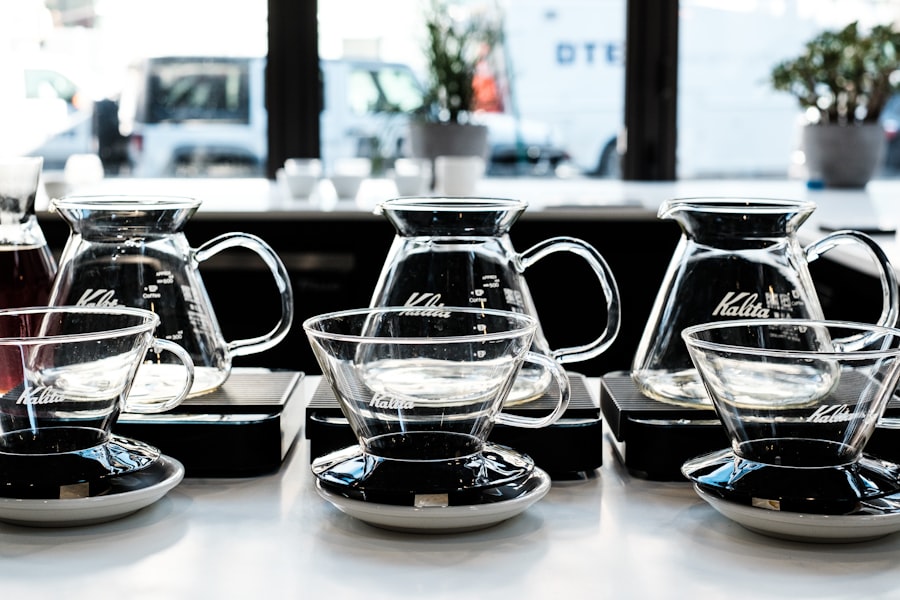
The Third Wave has seen a resurgence in manual brewing methods such as pour-overs (e.g., Hario V60, Kalita Wave), AeroPress, and French press. These methods allow for greater control over key brewing parameters: water temperature, grind size, brewing time, and water-to-coffee ratio. Baristas, serving as brewing engineers, are trained not just to operate machines but to understand the intricate chemical processes occurring during extraction. The focus is on achieving a balanced extraction, where desirable compounds are dissolved into the water while undesirable ones are left behind. This attention to detail ensures consistency and allows the unique characteristics of each coffee to shine through, unadulterated. It’s akin to a chef understanding how each ingredient in a complex dish contributes to the final flavour profile.
Ethical Sourcing and Sustainability: Brewing a Better Future
Beyond the pursuit of flavour excellence, a core tenet of the Third Wave is a deep-seated commitment to ethical sourcing and environmental sustainability. It’s about understanding that the journey of your coffee extends far beyond the roastery.
Direct Trade: Building Relationships, Empowering Farmers
Direct trade has emerged as a preferred sourcing model within the Third Wave. Unlike traditional commodity markets, where coffee passes through multiple intermediaries, direct trade establishes direct relationships between roasters and coffee farmers.
Beyond Fairtrade: Transparency and Quality Incentives
While certifications like Fairtrade have played an important role in raising awareness, direct trade often goes a step further. It typically involves roasters paying significantly higher prices for green coffee, directly to the farmers, exceeding minimum Fairtrade prices. This premium incentivises farmers to invest in sustainable practices, improve their infrastructure, and focus on producing higher quality beans. Transparency is paramount, with roasters often sharing details about the farm, the farmer, and the economic benefits received. This fosters a more equitable supply chain, empowering producers and ensuring a sustainable future for coffee farming. It’s a handshake agreement across continents, built on mutual respect and shared values.
Environmental Stewardship: From Farm to Cup
The Third Wave also places a strong emphasis on minimising the environmental footprint of coffee production and consumption. This encompasses practices at every stage of the coffee value chain.
Sustainable Farming Practices and Waste Reduction
At the farm level, this includes shade-grown coffee, which preserves biodiversity and reduces the need for chemical fertilisers, as well as responsible water management during coffee processing. Many Third Wave roasters also invest in eco-friendly packaging, reducing plastic waste. Furthermore, the emphasis on quality and direct trade often translates into more sustainable agricultural practices as farmers have the economic impetus to invest in healthier ecosystems. Consumers are also encouraged to participate, with initiatives like reusable cups and coffee grounds recycling becoming commonplace in Third Wave coffee shops. It’s about being good stewards of the land, understanding that its health directly impacts the quality of the coffee we enjoy.
The Consumer’s Role: Becoming a Coffee Connoisseur
You, the consumer, are undeniably at the heart of the Third Wave. This movement thrives on curiosity, education, and a willingness to explore. It’s less about simply drinking coffee and more about engaging with it.
Education and Experience: Expanding Your Palate
The Third Wave actively encourages consumers to educate themselves about coffee. Baristas, often highly knowledgeable, act as guides, sharing information about origins, processing methods, and flavour notes.
Coffee Cuppings and Sensory Exploration
Coffee cuppings – structured tasting sessions where coffees are brewed simply and evaluated for various attributes like aroma, acidity, body, and flavour – are becoming increasingly accessible. These events, offered by many Third Wave roasters and cafés, provide a fantastic opportunity to compare different coffees side-by-side and develop your palate. You’ll learn to identify nuanced flavours that you might never have noticed before, much like a wine tasting expands your appreciation for grapes. It’s about tuning into the subtle orchestra of flavours within your cup, discerning the high notes and the bass. The goal is to move beyond simply liking or disliking coffee, to understanding why you like it and what specific attributes appeal to you.
Home Brewing and Equipment: Taking Control
The Third Wave has also spurred a burgeoning market for home brewing equipment, empowering enthusiasts to replicate the quality experience they find in their favourite coffee shops.
The Rise of Speciality Home Brewing Gear
From precise grind-on-demand grinders to temperature-controlled kettles and various pour-over devices, there’s a plethora of tools available to elevate your home brewing game. This shift signifies a desire for greater control over the brewing process and a deeper engagement with the craft. Many roasters provide detailed brewing guides for their specific coffees, further enabling consumers to achieve optimal results. It’s about becoming your own barista, experimenting with variables, and discovering the joy of crafting a truly exceptional cup of coffee in your own kitchen. This isn’t merely a purchase; it’s an investment in a daily ritual, a moment of mindful enjoyment, and a testament to the enduring power of a simple, yet profoundly complex, bean.
The Third Wave of coffee, then, is far more than just a trend. It’s a comprehensive philosophy that encompasses an entire ecosystem, from the seed planted in the soil to the final swirl in your cup. It’s a testament to the power of passion, precision, and an unyielding commitment to quality and ethics. So, the next time you find yourself in a speciality coffee shop, pause for a moment. Consider the journey of that bean, the hands that nurtured it, the skill that roasted it, and the care that brewed it. You’re not just holding a cup of coffee; you’re holding a story, a testament to a movement that has utterly transformed our perception of this extraordinary beverage. And frankly, that’s something worth savouring.
FAQs
What is meant by “third wave” coffee?
Third wave coffee refers to a movement within the coffee industry that emphasises high-quality beans, artisanal brewing methods, and a focus on the unique flavours of coffee. It treats coffee as an artisanal product rather than a commodity, highlighting transparency in sourcing and sustainability.
How does third wave coffee differ from first and second wave coffee?
First wave coffee was characterised by mass production and convenience, often involving instant coffee and large-scale brands. Second wave introduced espresso-based drinks and café culture, focusing on flavour and experience. Third wave goes further by prioritising single-origin beans, precise brewing techniques, and ethical sourcing.
What factors contribute to the quality of a third wave coffee cup?
Quality in third wave coffee is influenced by factors such as the origin and variety of the coffee beans, the method of processing, freshness, roasting profile, and the brewing technique. Baristas often use specialised equipment and pay close attention to variables like water temperature and grind size.
Why is sustainability important in the third wave coffee movement?
Sustainability is crucial because third wave coffee values ethical sourcing and environmental responsibility. This includes supporting fair trade practices, reducing waste, and encouraging farming methods that protect ecosystems and improve the livelihoods of coffee growers.
Can third wave coffee be found worldwide or is it limited to certain regions?
Third wave coffee has become a global phenomenon, with specialty coffee shops and roasters present in many countries. While it originated in places like the United States and Europe, the movement has expanded worldwide, influencing coffee culture in diverse regions.