
The Impact of Climate Change on Coffee Farming: Shaping the Future
As coffee lovers here in the UK, we often take for granted the smooth, aromatic brew that kickstarts our mornings or accompanies a quiet moment. Yet, the journey from bean to cup is a complex one, and it’s being profoundly reshaped by the undeniable reality of climate change. For the millions of farmers worldwide who cultivate this beloved crop, the shifting weather patterns are not an abstract concept; they are a pressing threat to their livelihoods and the future availability of the coffee we enjoy. This article will delve into the multifaceted impact of a changing climate on coffee farming, examining the challenges and exploring potential pathways forward.
Coffee, particularly the two main varieties – Arabica and Robusta – is a remarkably sensitive crop. Its cultivation relies on a very specific set of environmental conditions, making it acutely susceptible to even minor climatic shifts. Think of coffee plants as highly-tuned athletes; they require precise conditions to perform at their best. When those conditions are disrupted, their performance – and indeed, their survival – is jeopardised.
Temperature Sensitivity: A Narrow Optimal Range
Both Arabica and Robusta beans have preferred temperature ranges. For Arabica, this is typically between 18°C and 22°C, while Robusta can tolerate slightly warmer conditions, generally between 22°C and 26°C. These seemingly small differences are crucial.
- Rising Temperatures: As global temperatures climb, many traditional coffee-growing regions are experiencing a significant increase in average temperatures. This pushes plants beyond their optimal physiological limits, leading to heat stress. This stress can manifest in various ways, including reduced flowering, impaired bean development, and even plant death. For farmers, this means lower yields and a diminished quality of the harvested beans.
- Extreme Heat Events: Beyond gradual warming, the increasing frequency and intensity of heatwaves pose a direct threat. A prolonged period of extreme heat can be devastating for coffee plants, much like a sudden fever can incapacitate an athlete, impacting their ability to function. These events can cause irreversible damage, threatening entire harvests.
Rainfall Patterns: Too Much, Too Little, or Just Wrong
Water is the lifeblood of any agricultural system, and coffee is no exception. However, it’s not just the quantity of rainfall that matters, but also its timing and consistency. Climate change is disrupting these vital patterns.
- Droughts: Many coffee-producing regions are experiencing more frequent and prolonged droughts. This lack of water starves the plants, hindering their growth, reducing fruit set, and impacting bean size and density. Imagine trying to grow a garden during a long, dry summer without adequate watering; the plants would struggle significantly.
- Intense Rainfall and Flooding: Conversely, other areas are witnessing an increase in extreme rainfall events, leading to flooding and soil erosion. Flooded coffee farms can drown roots, making plants susceptible to disease and fungal infections. The loss of topsoil due to erosion further degrades the land, making it less fertile for future cultivation.
- Unpredictable Seasons: Coffee plants rely on distinct wet and dry seasons for optimal flowering and fruit development. When these seasons become erratic, with rainfall occurring at the wrong times or failing to materialise when expected, the plant’s natural life cycle is thrown into disarray. This unpredictability makes it incredibly difficult for farmers to plan and manage their crops effectively.
Altitude Shifts: The Search for Cooler Climates
As temperatures rise, the ideal growing altitudes for coffee are slowly creeping upwards. This is particularly true for Arabica, which prefers cooler, higher elevations.
- Migration Uphill: Farmers are increasingly finding that land at lower elevations is becoming too warm for viable coffee cultivation. They are therefore forced to look for new land at higher altitudes. This can involve significant investment in new infrastructure, land acquisition, and potentially displacement from ancestral lands.
- Limited Availability of Higher Ground: However, the availability of suitable higher ground is not unlimited. As more land is cleared for coffee farming at higher elevations, it can lead to deforestation, habitat loss for biodiversity, and increased competition for land with other crops or human settlements. This “uphill race” for cooler climates highlights the spatially constrained nature of coffee cultivation.
In exploring the impacts of climate change on agriculture, a related article titled “The Future of Coffee: Adapting to a Changing Climate” provides valuable insights into how coffee farmers are adjusting their practices to cope with shifting weather patterns. This piece delves into innovative strategies being employed to sustain coffee production amidst rising temperatures and unpredictable rainfall. For more information, you can read the article here: The Future of Coffee: Adapting to a Changing Climate.
The Ripple Effect: Beyond the Farm Gate
The impact of climate change on coffee farming extends far beyond the immediate challenges faced by the plants and farmers themselves. It creates a cascade of consequences that affect economies, ecosystems, and even the global coffee market.
Economic Vulnerability of Coffee-Dependent Communities
For many nations, particularly in parts of Africa, Latin America, and Asia, coffee is a cornerstone of their economy. It’s a significant source of foreign exchange earnings and provides employment for millions.
- Reduced Yields and Income: As climate change directly impacts yields and quality, farmers’ incomes are reduced. This can push already vulnerable communities further into poverty, making it harder to afford essential services, education, and healthcare.
- Market Volatility: Fluctuations in supply due to climate-related events can lead to increased volatility in global coffee prices. While occasional price spikes might benefit some in the short term, the overall unpredictability makes long-term financial planning extremely difficult for both farmers and buyers. It’s like navigating a ship through constantly changing currents; predicting the destination becomes a significant challenge.
- Job Losses: A decline in coffee production can lead to significant job losses in the agricultural sector and related industries, from harvesting and processing to transportation and export. This can have a destabilising effect on entire local economies.
Impact on Biodiversity and Ecosystems
Coffee farms, especially traditional shade-grown systems, can be important habitats for various species. Climate change threatens these delicate ecological balances.
- Loss of Shade Trees: As farmers adapt to rising temperatures, they may opt for more sun-tolerant coffee varieties or clear existing shade trees to expose the plants to more direct sunlight (a practice often associated with lower quality beans and environmental damage). This loss of canopy cover can lead to a decline in the biodiversity that relies on these trees for shelter and food.
- Habitat Fragmentation: The migration of coffee cultivation to higher altitudes can lead to habitat fragmentation, isolating populations of wildlife and making them more vulnerable. This can disrupt pollination patterns, pest control mechanisms, and overall ecosystem health.
- Pest and Disease Proliferation: Warmer temperatures can also create more favourable conditions for certain pests and diseases to thrive and spread. This can necessitate increased use of pesticides, which can have further negative impacts on local ecosystems and human health.
The Future of Our Morning Cup: A Shifting Landscape
The combined effects of these challenges paint a concerning picture for the future of coffee. Without concerted efforts to mitigate and adapt, the very availability and affordability of the coffee we cherish could be at risk.
- Reduced Supply of High-Quality Beans: As ideal growing conditions shrink, the supply of high-quality Arabica beans, which currently dominates the specialty coffee market, is likely to decrease. This could lead to higher prices for consumers and a shift towards less desirable bean varieties.
- Geographical Shifts in Production: Coffee production may become concentrated in fewer regions that remain climatically suitable, or shift entirely to new geographical areas. This could lead to a homogenisation of coffee flavours and a loss of the unique regional characteristics that define many of our favourite coffees.
- Increased Consumer Costs: As production becomes more challenging and yields decrease, the cost of coffee to consumers is likely to rise. This could make a daily cup of coffee a luxury rather than an everyday staple for many.
Adaptation Strategies: Finding Resilience in a Changing Climate
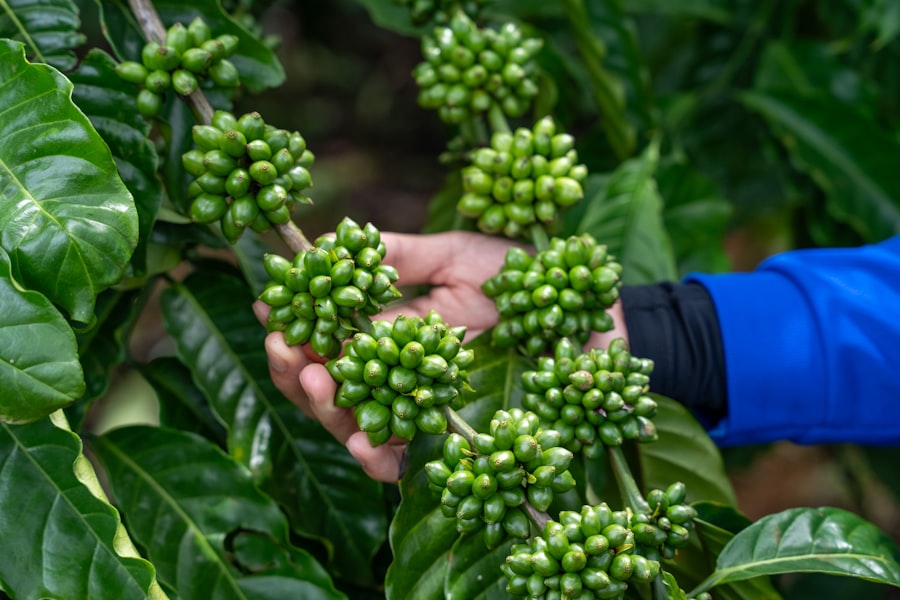
While the challenges are significant, the coffee industry and its stakeholders are not standing idly by. A range of adaptation strategies are being explored and implemented to build resilience within coffee farming systems.
Climate-Resilient Coffee Varieties: Breeding for the Future
Developing coffee varieties that are better suited to changing climatic conditions is a crucial area of research and development.
- Heat and Drought Tolerance: Scientists are working on breeding programmes that aim to develop coffee plants that can withstand higher temperatures and periods of drought. This involves identifying and cross-breeding existing varieties with superior resilience traits.
- Disease Resistance: Research is also focused on developing varieties that are naturally more resistant to emerging pests and diseases that thrive in warmer climates. This can reduce the reliance on chemical interventions.
- Utilising Robusta’s Strengths: While Arabica beans are often prized for their nuanced flavours, Robusta beans are generally more resilient to heat and disease. Exploring ways to improve the flavour profile of Robusta or integrate it more effectively into blends could be part of the adaptation.
Sustainable Farming Practices: Working with Nature, Not Against It
Embracing sustainable farming methods is essential for long-term viability and environmental stewardship.
- Shade-Grown Coffee: Promoting and expanding shade-grown coffee systems, where coffee plants are cultivated under the canopy of diverse trees, offers numerous benefits. These systems help regulate soil temperature, retain soil moisture, prevent erosion, and provide habitat for biodiversity. They also often lead to higher quality beans.
- Agroforestry: Integrating coffee cultivation into diversified agroforestry systems, where trees are grown alongside crops, can create more robust and resilient landscapes. This can provide additional income streams for farmers and enhance ecosystem services.
- Water Management Techniques: Implementing efficient irrigation systems, rainwater harvesting, and soil conservation measures can help farmers manage water resources more effectively, especially in drought-prone regions.
- Soil Health Improvement: Practices such as composting, cover cropping, and reduced tillage help improve soil structure and fertility, making land more resilient to extreme weather events and better able to retain moisture.
Diversification of Livelihoods: Spreading the Risk
Reducing reliance on a single crop like coffee can provide a vital safety net for farmers and communities.
- Intercropping: Growing other crops alongside coffee can provide alternative income sources and improve soil health. This could include fruit trees, vegetables, or spices.
- Livestock Integration: Integrating small-scale livestock farming can provide additional income and create a source of organic fertiliser for coffee plantations.
- Ecotourism and Value-Added Products: Developing opportunities for ecotourism on coffee farms or creating value-added products from coffee by-products can diversify revenue streams and create new employment opportunities.
Mitigation Efforts: Addressing the Root Cause
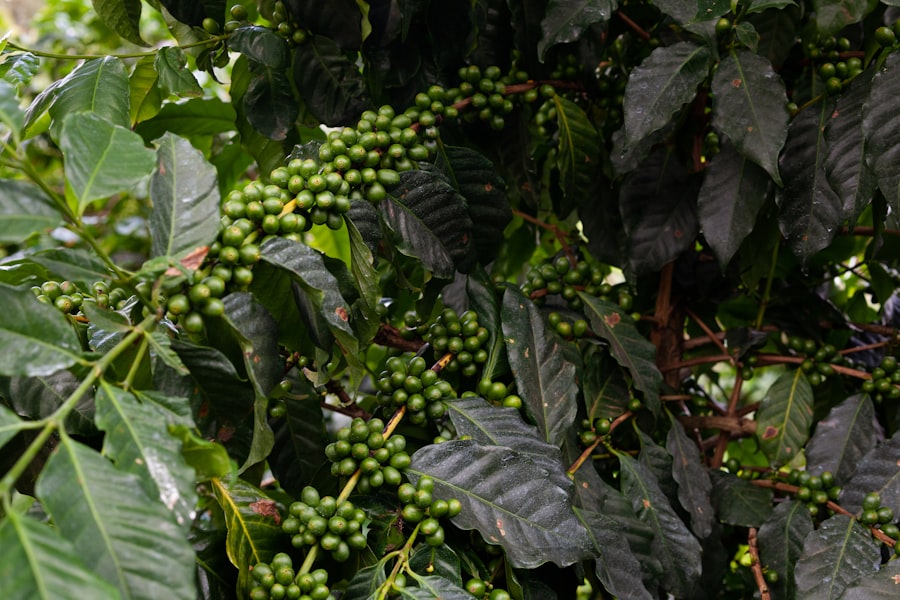
While adaptation is crucial for immediate survival, addressing the root cause of climate change – greenhouse gas emissions – is paramount for the long-term future of coffee and indeed, the planet.
Reducing Emissions from Agriculture
The agricultural sector itself contributes to greenhouse gas emissions, and efforts are underway to reduce this impact.
- Sustainable Land Use: Preventing deforestation for agricultural expansion and promoting reforestation can sequester carbon dioxide from the atmosphere.
- Efficient fertiliser and Pesticide Use: Optimising the use of fertilisers and developing more targeted and less impactful pest control methods can reduce emissions.
- Improved Waste Management: Reducing food waste and methane emissions from livestock can also contribute to mitigation efforts.
Global Climate Action and Policy
The coffee industry, like all sectors, is reliant on the success of global efforts to reduce greenhouse gas emissions.
- International Agreements: Adherence to and strengthening of international climate agreements, such as the Paris Agreement, are vital.
- Government Support and Investment: Governments play a crucial role in supporting research and development into climate-resilient agriculture, providing financial incentives for sustainable practices, and investing in infrastructure that supports adaptation.
- Consumer Awareness and Demand: As consumers here in the UK, our purchasing decisions have power. Choosing coffee from sustainably certified sources, supporting brands that are transparent about their supply chains and climate initiatives, and understanding the challenges faced by coffee farmers can all contribute to positive change.
As climate change continues to impact agricultural practices worldwide, the future of coffee farming is becoming increasingly uncertain. A related article explores the various adaptations that farmers are implementing to cope with these challenges, highlighting innovative techniques and sustainable practices that could help secure the future of coffee production. For more insights on this pressing issue, you can read the full article here.
The Role of Technology and Innovation: A Glimpse into the Future
Technological advancements and innovative approaches are offering new hope and practical solutions for coffee farmers facing the realities of climate change.
Precision Agriculture and Data Analysis
Leveraging data and technology can provide farmers with critical insights to make more informed decisions.
- Weather Forecasting and Climate Modelling: Advanced weather forecasting and climate modelling tools can help farmers anticipate short-term weather events and long-term climatic trends with greater accuracy. This allows for better planning of planting, harvesting, and irrigation.
- Soil Sensors and Monitoring: Deploying soil sensors can provide real-time data on moisture levels, nutrient content, and soil temperature. This information allows for precise application of water and fertilisers, optimising resource use and reducing waste.
- Remote Sensing and Drones: Satellites and drones equipped with advanced sensors can monitor crop health, identify areas of stress, and detect early signs of pests and diseases across vast coffee plantations. This enables timely and targeted interventions.
Blockchain and Traceability
Ensuring transparency and traceability throughout the coffee supply chain can empower both farmers and consumers.
- Fairer Pricing and Support: Blockchain technology can provide a secure and transparent record of transactions, ensuring that farmers receive fair prices for their produce and facilitating targeted support for climate adaptation initiatives.
- Consumer Trust and Engagement: Consumers can gain confidence in the origin and sustainability credentials of their coffee, fostering a direct connection with the farmers who grow it. This can drive demand for ethically produced and climate-resilient coffee.
- Impact Tracking: Blockchain can be used to track the impact of specific sustainability initiatives, providing verifiable data on carbon sequestration, water conservation, or biodiversity improvements.
New Processing and Storage Technologies
Innovations in post-harvest handling can help preserve coffee quality and reduce losses.
- Improved Drying Techniques: Developing more efficient and climate-controlled drying methods can help farmers minimise losses due to unpredictable weather during the crucial drying phase.
- Advanced Fermentation and Processing: Research into novel fermentation and processing techniques can potentially enhance the flavour profiles of coffee grown in less-than-ideal conditions, making them more commercially viable.
- Sustainable Packaging Solutions: Innovations in packaging can reduce the environmental footprint of coffee transportation and storage, further contributing to overall sustainability.
A Collective Effort: Brewing a Better Future
The challenges posed by climate change to coffee farming are complex and far-reaching, requiring a multifaceted approach. It’s not a problem that can be solved by one group alone.
Collaboration Across the Supply Chain
From the farmer at the origin to the consumer in the UK, collaboration is key.
- Farmers and Researchers: Close collaboration between coffee farmers and agricultural researchers is essential for developing and implementing practical, on-the-ground solutions.
- Co-operatives and Farmer Organisations: Strengthening farmer co-operatives and organisations can provide farmers with collective bargaining power, access to resources, and a platform for sharing knowledge and best practices.
- Coffee Companies and Roasters: Coffee companies and roasters have a vital role to play in investing in sustainable sourcing models, supporting climate adaptation projects, and educating consumers.
- Governments and NGOs: Government policies, targeted investments, and the work of non-governmental organisations are crucial for providing the enabling environment and resources for adaptation and mitigation efforts.
Consumer Power: Your Daily Brew Matters
As consumers, we are not passive bystanders. Our choices have a tangible impact.
- Informed Purchasing Decisions: By choosing coffee from transparent and certified sustainable sources, we can directly support farmers who are investing in climate-resilient practices. This includes looking for certifications like Fairtrade, Rainforest Alliance, and Organic.
- Supporting Ethical Brands: Seek out brands that are vocal about their commitment to sustainability and actively engage in initiatives to support coffee-growing communities.
- Reducing Waste: Minimising coffee waste at home, from uneaten grounds to unused beans, also contributes to a more sustainable coffee ecosystem.
- Advocacy and Awareness: By engaging in conversations about the impact of climate change on coffee and sharing information, we can raise awareness among our peers and encourage broader societal action.
The future of our beloved coffee is intrinsically linked to the health of our planet. By understanding the profound impact of climate change on coffee farming and by actively supporting and participating in adaptation and mitigation efforts, we can help ensure that the rich aroma and invigorating taste of coffee continue to grace our cups for generations to come. It’s a journey that requires our collective commitment, a commitment to brewing a more sustainable and resilient future for coffee, and for all of us.
FAQs
What impact does climate change have on coffee farming?
Climate change affects coffee farming by altering temperature and rainfall patterns, which can reduce suitable growing areas, increase the prevalence of pests and diseases, and affect the quality and yield of coffee beans.
Which coffee-growing regions are most vulnerable to climate change?
Regions near the equator, such as parts of Central and South America, Africa, and Asia, are particularly vulnerable due to their reliance on specific climatic conditions for coffee cultivation. Rising temperatures and changing rainfall threaten traditional coffee-growing zones.
How are coffee farmers adapting to the challenges posed by climate change?
Farmers are adopting various strategies including planting shade trees, switching to more resilient coffee varieties, diversifying crops, improving soil management, and using water-efficient irrigation techniques to mitigate the effects of climate change.
What role does sustainable farming play in the future of coffee production?
Sustainable farming practices help maintain soil health, conserve water, and reduce greenhouse gas emissions, making coffee production more resilient to climate change while supporting biodiversity and the livelihoods of farming communities.
Can climate change affect the flavour and quality of coffee?
Yes, changes in temperature and rainfall can influence the development of coffee cherries, potentially altering the flavour profile and quality of the beans. Stress from climate change can lead to inconsistent ripening and affect the chemical composition of the coffee.